Strategic guide to managing technology risks in Perth businesses. Risk assessment, mitigation strategies, and business continuity planning.
# How to Mitigate Costly Technology Risks for Business Stability
Technology drives modern business operations, but it also introduces significant risks that can threaten stability and profitability. Perth businesses across all industries face mounting technology-related risks, from cybersecurity threats to system failures, data breaches, and compliance violations. The cost of technology failures continues to escalate, making proactive risk management essential for long-term business success.
Understanding Technology Risk Categories
Cybersecurity and Data Protection Risks
Digital threats represent the most significant technology risks facing businesses today:
Data Breach Consequences
- Average cost of data breaches in Australia exceeds $3.3 million
- Regulatory fines under the Privacy Act and industry-specific regulations
- Customer trust erosion and long-term reputation damage
- Legal liability and potential class-action lawsuits
- Business disruption lasting days, weeks, or months
- Ransom payments that may not guarantee data recovery
- Regulatory reporting requirements and compliance implications
- Recovery costs often exceed ransom demands
- Unintentional data exposure through employee mistakes
- Malicious insider activities and corporate espionage
- Inadequate access controls and privilege management
- Social engineering attacks targeting staff members
Operational and Infrastructure Risks
System Downtime and Outages
- Lost productivity during system unavailability
- Revenue loss from interrupted business operations
- Customer dissatisfaction and potential defection
- Cascading effects on supply chain and partner relationships
- Unexpected replacement costs for critical equipment
- Data loss from inadequate backup procedures
- Extended recovery times without proper disaster planning
- Single points of failure in business-critical systems
- Licensing compliance violations and associated penalties
- Compatibility issues during software updates or migrations
- Performance degradation affecting user productivity
- Vendor discontinuation leaving businesses stranded
💡
Key Takeaway: Technology risks are interconnected and can cascade rapidly through your entire business operation. A single failure can trigger multiple risk categories, making comprehensive risk management essential.
Strategic Risk Assessment Framework
Comprehensive Risk Inventory
Effective risk management begins with thorough identification:
Asset Identification and Valuation
- Complete inventory of all technology assets and dependencies
- Assessment of business criticality for each system
- Documentation of data types and sensitivity levels
- Evaluation of replacement costs and recovery timeframes
- Industry-specific threat intelligence and trend analysis
- Assessment of internal and external threat sources
- Evaluation of current attack vectors and emerging risks
- Regular updates based on evolving threat landscape
- Technical security scanning and penetration testing
- Process and procedure gap analysis
- Human factor assessments and social engineering vulnerability
- Compliance gap identification and regulatory risk evaluation
Risk Quantification and Prioritisation
Business Impact Assessment
- Financial impact calculation for different risk scenarios
- Operational disruption assessment and recovery time objectives
- Regulatory and legal consequence evaluation
- Reputation and customer impact quantification
- Historical incident data analysis and trend identification
- Industry benchmark comparison and peer analysis
- Threat actor capability and motivation assessment
- Environmental and external factor consideration
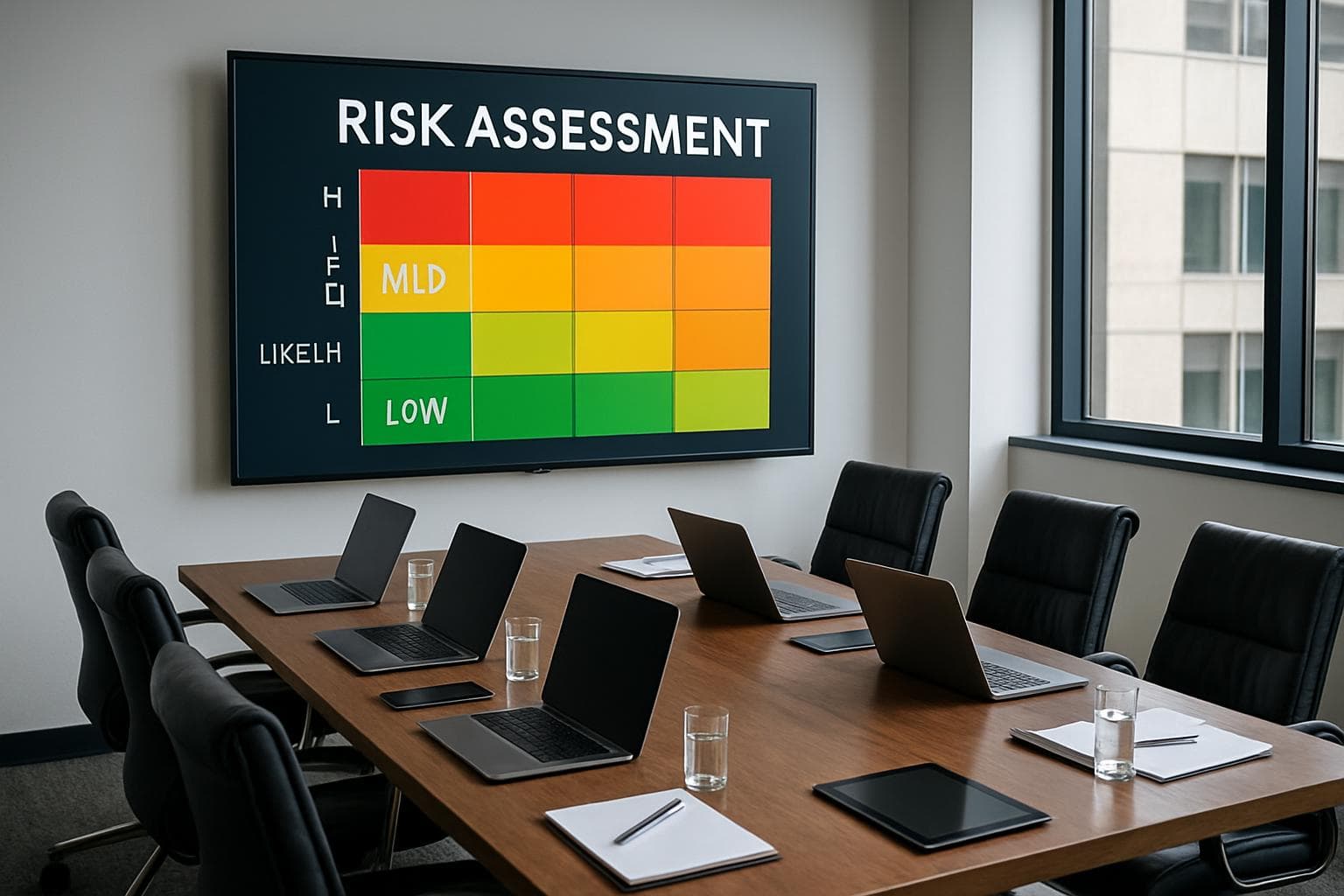
- Combination of impact and probability for risk ranking
- Resource allocation guidance based on risk priorities
- Regular updates based on changing business conditions
- Integration with business continuity planning
Risk Mitigation Strategies
Preventive Measures and Controls
Cybersecurity Controls Implementation
- Multi-layered security architecture with defense in depth
- Regular security updates and patch management procedures
- Employee training and security awareness programs
- Incident response planning and regular testing
- Redundant systems and failover capabilities
- Diversified supplier relationships to avoid single points of failure
- Geographic distribution of critical infrastructure
- Regular capacity planning and performance monitoring
- Documented policies and procedures for technology use
- Regular compliance audits and gap remediation
- Change management processes for system modifications
- Vendor risk management and third-party assessments
Detective Measures and Monitoring
Continuous Monitoring Systems
- Real-time security information and event management (SIEM)
- Network traffic analysis and anomaly detection
- System performance monitoring and alerting
- User activity monitoring and behavioral analysis
- Periodic vulnerability assessments and penetration testing
- Business continuity plan testing and validation
- Recovery procedure testing and improvement
- Compliance audits and regulatory assessments
Responsive Measures and Recovery
Incident Response Capabilities
- Documented incident response procedures and contact information
- Trained response teams with clear roles and responsibilities
- Communication templates and stakeholder notification procedures
- Evidence preservation and forensic analysis capabilities
- Comprehensive backup strategies with regular testing
- Alternative work arrangements and remote operation capabilities
- Supply chain contingency planning and alternative suppliers
- Recovery time and point objectives based on business priorities
Implementation Best Practices
Governance and Leadership
Executive Sponsorship and Oversight
- Board-level risk committee with technology expertise
- Regular reporting on risk posture and mitigation effectiveness
- Budget allocation for risk management activities
- Integration of risk considerations into strategic planning
- Risk management team with representatives from all business units
- Regular risk assessment and mitigation plan updates
- Communication between IT, security, legal, and business teams
- Training and awareness programs for all staff levels
Technology-Specific Mitigation Approaches
Cloud Services Risk Management
- Due diligence on cloud provider security and compliance
- Data sovereignty and jurisdiction considerations
- Service level agreement negotiation and monitoring
- Multi-cloud strategies for vendor diversification
- Patient data protection and HIPAA compliance requirements
- Medical device cybersecurity and patch management
- Integration between practice management and clinical systems
- Telehealth security and patient privacy protection
- Cost-effective security solutions and managed services
- Cyber insurance evaluation and coverage optimization
- Vendor risk management for third-party services
- Employee training adapted for small business environments
Financial Protection and Insurance
Cyber Insurance Considerations
Modern businesses need comprehensive insurance coverage:
Policy Coverage Evaluation
- Data breach response and notification costs
- Business interruption and lost revenue coverage
- Regulatory fines and legal defense costs
- Third-party liability and customer notification expenses
- Vendor indemnification and liability transfer
- Service level agreements with financial penalties
- Professional liability insurance for technology services
- Directors and officers insurance with cyber coverage
Cost-Benefit Analysis
Investment Prioritisation
- Return on investment calculation for security measures
- Cost comparison between prevention and recovery
- Total cost of ownership for risk mitigation technologies
- Budget allocation based on risk-adjusted priorities
Continuous Improvement and Adaptation
Regular Review and Updates
Risk management requires ongoing attention:
Periodic Risk Assessment Updates
- Regular reassessment of threat landscape and business changes
- Technology asset inventory updates and impact reevaluation
- Mitigation effectiveness measurement and improvement
- Lessons learned integration from incidents and near-misses
- Participation in industry risk management forums
- Regular review of regulatory changes and compliance requirements
- Adoption of emerging security technologies and practices
- Peer comparison and best practice adoption
Measurement and Reporting
Key Risk Indicators (KRIs)
- Quantitative metrics for risk posture monitoring
- Trend analysis and early warning systems
- Regular reporting to stakeholders and executives
- Integration with business performance metrics
- Measurement of risk reduction achieved through mitigation efforts
- Cost avoidance calculation from prevented incidents
- Efficiency improvements from risk management investments
- Stakeholder satisfaction and confidence metrics
Creating a Risk-Aware Culture
Training and Awareness
Employee Education Programs
- Regular security awareness training for all staff
- Role-specific training for different job functions
- Simulated phishing and social engineering exercises
- Recognition programs for security-conscious behavior
- Executive education on technology risk management
- Board member training on cybersecurity governance
- Risk management decision-making frameworks
- Communication skills for crisis management
Effective technology risk management requires expertise, ongoing attention, and significant resources. Building and maintaining a comprehensive risk management program can be challenging for businesses focused on their core operations. If your Perth business needs assistance developing or improving its technology risk management strategy, SkyComm offers comprehensive risk assessment and mitigation services tailored to your specific industry and business requirements. Contact our risk management specialists at 1800 957 977 to discuss how we can help protect your business from costly technology risks.
SkyComm IT Solutions
Perth's leading medical and business IT support provider. Trusted by healthcare practices, law firms, and businesses across Western Australia for over 20 years.