Learn to identify modern phishing scams targeting Perth businesses. Advanced techniques, AI-powered attacks, and protection strategies for 2026.
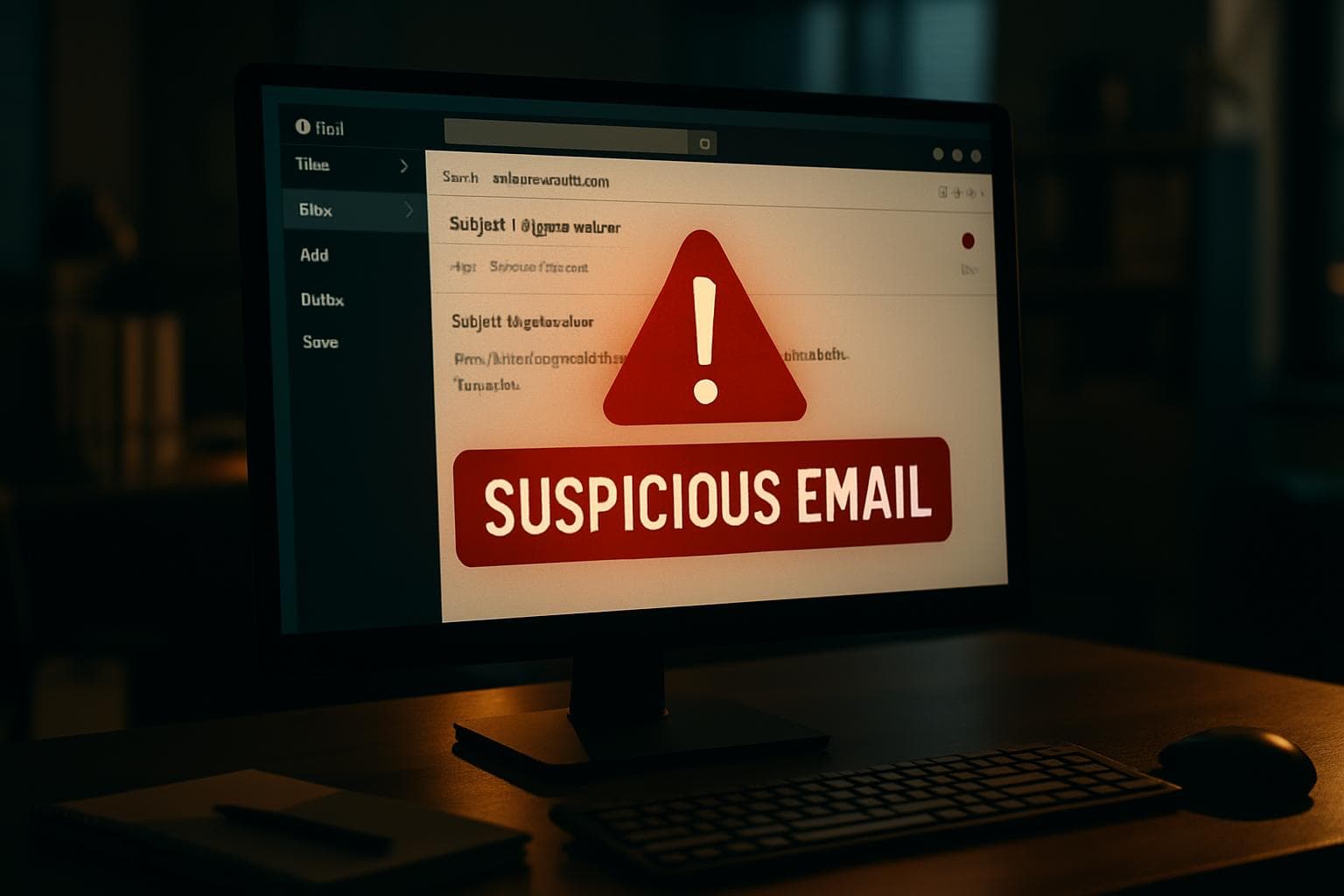
# Is That Email a Phishing Scam? How to Spot and Avoid Email Fraud
Email remains the primary attack vector for cybercriminals targeting Australian businesses, with phishing attacks becoming increasingly sophisticated and difficult to detect. In 2026, AI-powered phishing campaigns can create incredibly convincing messages that fool even security-aware employees. Understanding modern phishing techniques and implementing robust protection strategies is crucial for protecting your Perth business from costly email fraud.
Evolution of Phishing Attacks in 2026
AI-Enhanced Phishing Campaigns
Modern phishing attacks leverage artificial intelligence to create unprecedented levels of deception:
Natural Language Processing
- Perfect grammar and spelling in multiple languages
- Contextually appropriate business terminology
- Personalised messaging based on scraped data
- Adaptive responses to employee interactions
- Analysis of social media profiles and public information
- Customised attacks based on job roles and responsibilities
- Timing attacks to coincide with business cycles
- Industry-specific language and references
- Synthetic audio messages from "executives" or "vendors"
- Video calls featuring deepfake technology
- Voicemail messages requesting urgent actions
- Phone calls supporting email phishing attempts
Advanced Attack Techniques
Business Email Compromise (BEC)
- Sophisticated impersonation of executives or vendors
- Legitimate-looking email headers and signatures
- Integration with public business information
- Multi-stage attacks building trust over time
- Infiltration of legitimate email threads
- Responses that appear to come from trusted contacts
- Use of actual business context and ongoing projects
- Exploitation of established business relationships
- Malicious attachments exploiting unknown vulnerabilities
- Links to websites serving browser-based exploits
- Fileless malware delivered through macros
- Exploitation of trusted file formats and applications
💡
Key Takeaway: Traditional "Nigerian Prince" scams are extinct. Today's phishing attacks are professionally crafted, highly targeted, and designed to exploit specific business processes and relationships.
Identifying Modern Phishing Indicators
Technical Red Flags
Sender Analysis
- Sender email address inconsistencies or slight misspellings
- Domain spoofing using similar-looking characters
- Recently registered domains or suspicious domain names
- Email routing through unusual servers or countries
- SPF, DKIM, and DMARC authentication failures
- Unusual mail server paths or routing
- Time zone discrepancies with supposed sender location
- Mismatched display names and actual email addresses
- Shortened URLs hiding actual destinations
- Suspicious file extensions or double extensions
- Password-protected attachments with simple passwords
- Links leading to recently created or suspicious domains
Content Analysis Techniques
Language and Style Assessment
- Urgency tactics and pressure for immediate action
- Threats of negative consequences for inaction
- Requests for confidential information or credentials
- Grammar and syntax inconsistencies with known sender
- Unusual requests outside normal business processes
- Financial requests bypassing standard approval procedures
- Requests for sensitive information via email
- References to projects or people that don't exist
- Authority exploitation claiming to be from executives
- Fear-based messaging about account closures or penalties
- Curiosity-driven subject lines and content
- Social proof claiming others have already complied
Industry-Specific Phishing Threats
Medical Practice Targeting
Healthcare-Specific Attacks
- Fake medical software updates containing malware
- Bogus compliance notifications from regulatory bodies
- Patient data breach notifications designed to steal credentials
- Pharmaceutical company impersonations offering "exclusive" deals
- Medicare payment notification scams
- Electronic health record system "security updates"
- Pathology result notifications with malicious attachments
- Telehealth platform credential harvesting attempts
Professional Services Exploitation
Legal and Accounting Firm Attacks
- Fake court notifications and legal documents
- Client impersonation for wire transfer fraud
- Tax authority phishing during filing seasons
- Fake software licensing renewal notices
- Client invoice disputes requiring "urgent" review
- Banking notifications about account security issues
- Software vendor communications about critical updates
- Regulatory body notifications about compliance changes
Small Business Vulnerabilities
Resource-Limited Target Exploitation
- Attacks exploiting limited IT security resources
- Vendor impersonation targeting procurement processes
- Banking and financial service phishing
- Cloud service provider account takeover attempts
Advanced Protection Strategies
Technical Email Security Controls
Email Gateway Security
- Advanced threat protection with sandboxing capabilities
- Real-time URL reputation checking and rewriting
- Attachment analysis and safe document rendering
- Impersonation protection for executive and vendor communications
- SPF (Sender Policy Framework) record configuration
- DKIM (DomainKeys Identified Mail) digital signing
- DMARC (Domain-based Message Authentication) policy enforcement
- Regular monitoring of authentication report analysis
- Behavioural analysis of email patterns and sender reputation
- Content analysis for suspicious language and requests
- Social engineering detection algorithms
- Integration with threat intelligence feeds
User Training and Awareness
Comprehensive Education Programs
- Monthly phishing simulation exercises with immediate feedback
- Role-specific training addressing job function vulnerabilities
- Industry-specific threat awareness and case studies
- Regular updates on emerging phishing techniques
- Hands-on workshops analyzing real phishing examples
- Interactive training modules with realistic scenarios
- Group discussions about recent attacks and near-misses
- Recognition programs rewarding security-conscious behaviour
- Simple one-click reporting mechanisms for suspicious emails
- Clear escalation procedures for potential security incidents
- Regular feedback on reported incidents and outcomes
- Protection from disciplinary action for good-faith reporting
Response Protocols for Suspected Phishing
Immediate Response Actions
User Response Procedures
- Do not click links or open attachments in suspicious emails
- Do not reply to or forward suspicious messages
- Report the email through designated security channels
- Verify requests through alternative communication methods
- Immediate analysis of reported phishing attempts
- Domain and URL reputation checking and blocking
- Email system-wide blocking of confirmed phishing sources
- User notification and additional security measures
Investigation and Analysis
Forensic Email Analysis
- Header analysis for routing and authentication information
- Link analysis and destination website investigation
- Attachment analysis in isolated sandbox environments
- Correlation with other security alerts and incidents
- Reporting to Australian Cyber Security Centre (ACSC)
- Sharing indicators with industry threat intelligence platforms
- Integration with commercial threat feeds and databases
- Collaboration with law enforcement when appropriate
Recovery and Remediation
Incident Response Procedures
- Password resets for potentially compromised accounts
- Review of recent account activity for unauthorized actions
- System scans for malware and persistence mechanisms
- Communication with affected stakeholders and clients
- Analysis of how the attack bypassed existing controls
- Updates to security policies and training materials
- Enhancement of technical controls based on attack methods
- Regular review and improvement of response procedures
Creating a Phishing-Resistant Culture
Organizational Security Posture
Leadership Commitment
- Executive sponsorship of security awareness programs
- Regular communication about security priorities and threats
- Investment in appropriate security technologies and training
- Clear policies and consequences for security policy violations
- Comprehensive email security policies and procedures
- Regular policy review and updates based on emerging threats
- Employee acknowledgment and compliance tracking
- Consistent enforcement and disciplinary procedures
Continuous Improvement
Regular Assessment and Testing
- Monthly phishing simulations with increasing sophistication
- Annual third-party security assessments and penetration testing
- Regular review of security control effectiveness
- Employee feedback and suggestion incorporation
- Regular monitoring of industry-specific threat intelligence
- Participation in security forums and information sharing groups
- Updates to training materials based on emerging threats
- Integration of external threat feeds with security controls
Technology Solutions for Enhanced Protection
Email Security Platform Features
Advanced Threat Protection
- Real-time email scanning and threat detection
- Safe attachment viewing and link protection
- Executive impersonation and vendor fraud protection
- Integration with security information and event management (SIEM)
- Seamless integration with existing email systems
- Minimal impact on legitimate email delivery and performance
- Clear user notifications and security warnings
- Mobile device protection and policy enforcement
Integration with Business Systems
Identity and Access Management Integration
- Single sign-on (SSO) protection and monitoring
- Multi-factor authentication for sensitive applications
- Privileged access management and monitoring
- User behavior analytics and anomaly detection
- Workflow integration for financial approval processes
- Document management system security integration
- Customer relationship management (CRM) protection
- Compliance reporting and audit trail maintenance
Building effective phishing protection requires ongoing expertise, regular updates, and continuous vigilance. Many Perth businesses find that professional cybersecurity support provides better protection than trying to manage email security internally. If your business needs assistance with email security assessment or implementation of anti-phishing solutions, SkyComm's cybersecurity team can help you build comprehensive defenses against modern email threats. Contact us at 1800 957 977 to discuss your email security needs and protect your business from costly phishing attacks.
SkyComm IT Solutions
Perth's leading medical and business IT support provider. Trusted by healthcare practices, law firms, and businesses across Western Australia for over 20 years.