
Protect your business from email scams targeting Australian companies. Learn to identify fake Telstra, Australia Post, and other local scam emails.
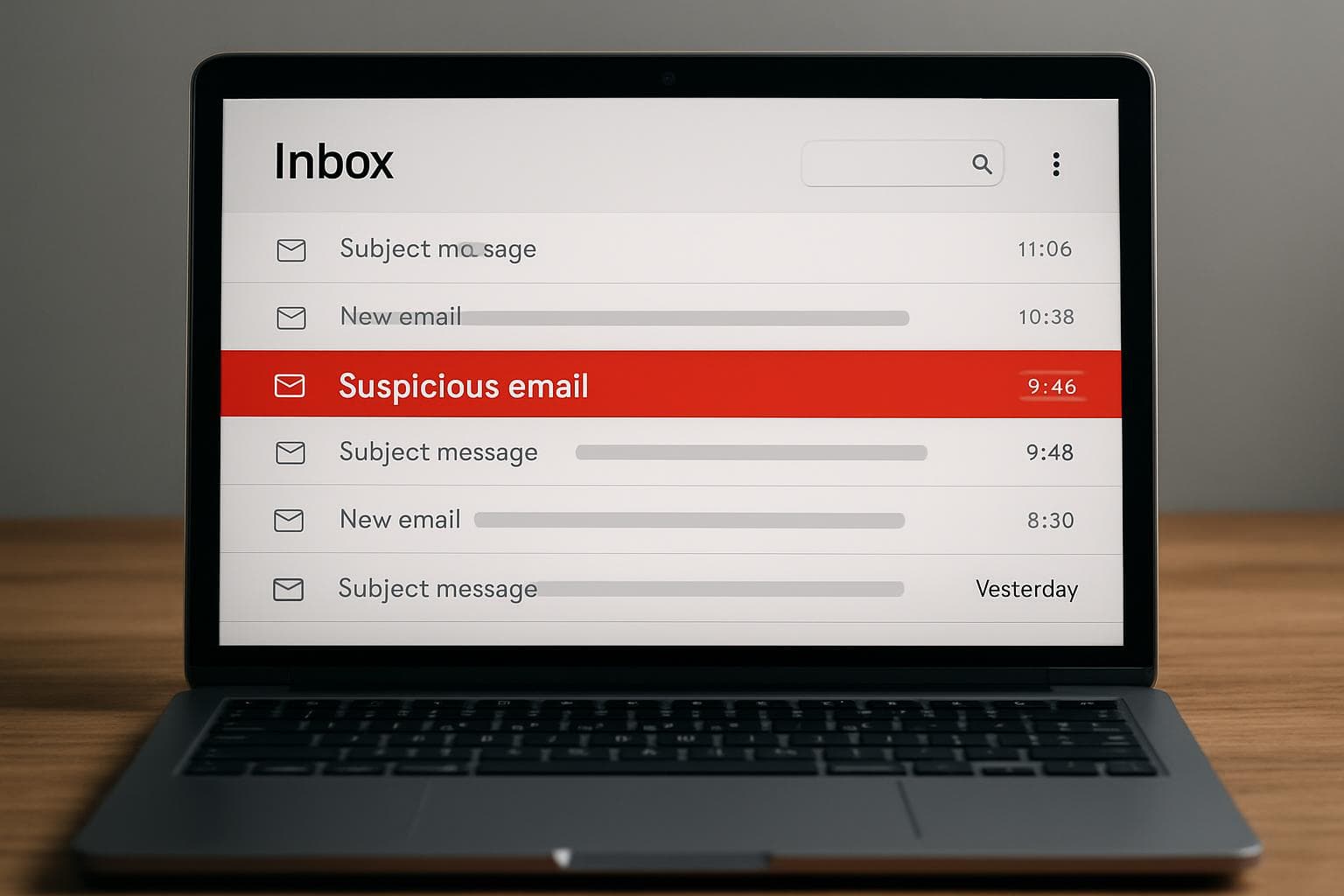
# Email Security Alert: How Scam Emails Target Australian Businesses
Australian businesses are prime targets for email scams that exploit local brands and services. Cybercriminals regularly impersonate trusted Australian organisations like Telstra BigPond, Australia Post, and government agencies to steal credentials, install malware, or commit fraud.
The Australian Email Scam Landscape
Email scammers targeting Australian businesses use local knowledge to make their attacks more convincing. They reference familiar brands, use Australian English, and time their attacks around local events like tax season or holiday periods.
Commonly Impersonated Australian Brands
• Telstra BigPond - Fake account suspension notices
• Australia Post - Fraudulent delivery notifications
• CommBank, ANZ, NAB, Westpac - Fake security alerts
• Australian Taxation Office - Phoney tax refund offers
• ASIC - Fake compliance notices
• Medicare - Fraudulent benefit claims
• Energy companies - Fake account alerts from local providers
Common Australian Email Scam Types
1. BigPond Email Account Scams
These emails claim your BigPond email account will be suspended unless you verify your credentials:
Warning signs:
• Generic greetings like "Dear Customer"
• Urgent language about account suspension
• Links to fake login pages
• Requests to download suspicious attachments
• Poor grammar despite appearing to be from Telstra
2. Australia Post Delivery Scams
Fake delivery notifications are extremely common, especially during busy periods:
Typical tactics:
• Claims about failed delivery attempts
• Requests to download shipping labels
• Links to tracking pages that steal information
• Attachment containing malware disguised as delivery receipts
3. Banking Security Alerts
Fraudulent emails claiming security issues with your business banking:
Red flags:
• Urgent requests to verify account details
• Claims of suspicious activity requiring immediate action
• Links to fake banking websites
• Requests to call suspicious phone numbers
• Poor website design that doesn't match the real bank
4. Tax Office Scams
Particularly active during tax season, targeting business owners:
Common themes:
• Fake tax refund notifications
• Claims about outstanding payments
• Threats of penalties or legal action
• Requests for business financial information
• Links to fake ATO websites
How These Scams Target Businesses
Business-Specific Attack Methods
• Vendor impersonation - Fake invoices from supposed suppliers
• Executive targeting - CEO fraud targeting finance departments
• Industry-specific scams - Tailored to medical, legal, or accounting practices
• Supply chain exploitation - Compromising legitimate business contacts
• Payroll fraud - Fake employee requests for banking detail changes
Perth Business Targeting
Local Perth businesses face additional risks:
• Local supplier impersonation - Scammers research Perth business relationships
• Regional government scams - Fake notices from WA government departments
• Industry association fraud - Impersonating local professional bodies
• Chamber of Commerce scams - Fake membership or invoice notices
Identifying Suspicious Emails
Technical Indicators
Look beyond the surface appearance:
• Sender email addresses - Check for suspicious domains
• Link destinations - Hover over links to see real URLs
• Email headers - Technical information can reveal forgeries
• Attachment types - Be wary of executable files and macros
• Digital signatures - Legitimate organisations often sign their emails
Content Analysis
• Urgency tactics - Legitimate organisations rarely demand immediate action
• Spelling and grammar - Professional organisations proofread their communications
• Brand inconsistencies - Logos, colours, and fonts should match official branding
• Generic information - Real communications include specific account details
• Unusual requests - Banks don't ask for passwords via email
Protection Strategies
Email Security Technology
• Advanced email filtering - Block known malicious domains and patterns
• Attachment sandboxing - Test attachments in safe environments
• URL reputation checking - Verify links before allowing access
• Sender authentication - Implement SPF, DKIM, and DMARC records
• User behaviour analytics - Detect unusual email activity patterns
Staff Training and Awareness
• Regular security briefings - Keep team updated on latest scam tactics
• Simulated phishing tests - Practice identifying suspicious emails
• Reporting procedures - Clear process for reporting suspicious messages
• Verification protocols - Always verify unusual requests independently
• Local scam awareness - Education about Australia-specific threats
Response Procedures
If You Receive a Suspicious Email
1. Don't interact - Don't click links or download attachments
2. Report immediately - Forward to your IT security team
3. Verify independently - Contact the supposed sender through official channels
4. Document the attempt - Keep records for security analysis
5. Warn colleagues - Alert others who might receive similar emails
If You've Been Compromised
• Change passwords immediately - All potentially affected accounts
• Contact your bank - If financial information was compromised
• Report to authorities - ACCC Scamwatch and Australian Cyber Security Centre
• Scan systems - Check for malware installation
• Monitor accounts - Watch for unauthorised access or transactions
Legal and Regulatory Considerations
Australian Privacy Laws
If your business data is compromised:
• Privacy Act obligations - Notification requirements for data breaches
• Customer notification - May need to inform affected clients
• Regulatory reporting - Some industries have specific breach reporting requirements
• Documentation requirements - Maintain records of security incidents
Industry-Specific Concerns
• Medical practices - Patient privacy and HIPAA compliance
• Legal firms - Client confidentiality obligations
• Financial services - AUSTRAC reporting requirements
• Government contractors - Security clearance implications
Building Email Security Culture
Management Leadership
• Security investment - Allocate appropriate resources to email security
• Policy development - Clear email security policies and procedures
• Regular reviews - Quarterly assessment of email security effectiveness
• Incident response planning - Prepared response to email security breaches
Employee Engagement
• Recognition programs - Reward staff who identify and report threats
• Regular updates - Keep team informed about new scam tactics
• Open communication - Encourage questions about email security
• No-blame culture - Focus on learning rather than punishment
💡
Key Takeaway: Australian businesses face unique email security challenges from scammers who understand local brands, regulations, and business practices. Effective protection requires both technology solutions and comprehensive staff training tailored to the Australian threat landscape.
Professional Email Security Support
Protecting your Perth business from sophisticated email scams requires expertise in both technology and threat intelligence. SkyComm provides comprehensive email security solutions designed specifically for Australian businesses, including medical practices and professional services.
Our team understands the local threat landscape and can help implement security measures that protect against both generic and Australia-specific email scams. We provide ongoing monitoring, staff training, and incident response services to keep your business secure.
Don't let email scammers exploit your business. Contact SkyComm on 1800 957 977 for expert email security assessment and protection services that address the unique challenges facing Australian organisations.
SkyComm IT Solutions
Perth's leading medical and business IT support provider. Trusted by healthcare practices, law firms, and businesses across Western Australia for over 20 years.